← all insights
The minor repair clause explained: what you're actually liable for as an expat
The minor repair clause in a Singapore lease, explained for expats: typical thresholds, aircon servicing and what to negotiate before you sign.
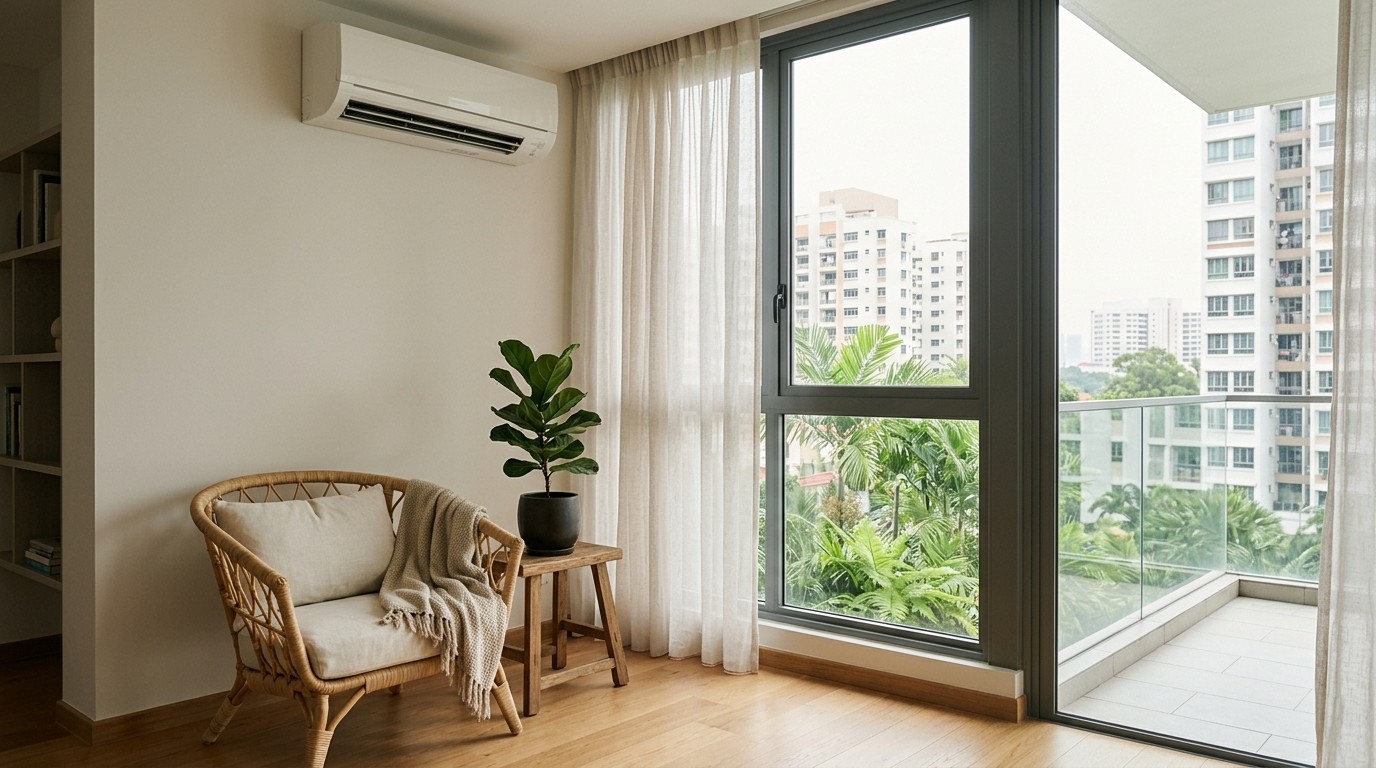
Something breaks. You call the landlord. The landlord says it's your problem. Who's right depends almost entirely on one clause in your lease.
It's a clause we read closely when we review a lease for an expat client, because a vague one costs more when your lease is tied to a work pass and you might leave in a year or two. Here's how it works, and what we look at.
How it works
Most Singapore tenancy agreements include a minor repair clause. The tenant pays for repairs up to a set amount per item, and the landlord pays anything above that.
The threshold is negotiated, not set by law. It commonly sits somewhere between $150 and $300.
Example: your threshold is $200 and the washing machine repair costs $350. You pay the first $200, the landlord pays the remaining $150. If the repair costs $120, you pay all of it.
The wording that matters
Per item, per incident. That's the standard, and it's what you want. Be wary of anything that makes the threshold per month, or cumulative, or doesn't state a number at all.
What counts as minor. Some clauses list items. Others leave it vague. Vague is where disputes start.
What the landlord keeps. The landlord should remain responsible for structural issues, major system failures, and defects that existed before you moved in. That's another reason the handover inspection matters.
What we do. We read the wording of the clause before you sign and flag anything that isn't per item, per incident, or that doesn't state a number.
Aircon: the clause that causes the most arguments
Most leases make the tenant responsible for servicing every three months, at the tenant's cost. Keep every receipt.
Here's why. When a major part like a compressor fails, the landlord normally pays, as long as you've kept up servicing. If you can't produce the receipts, the landlord can argue the failure came from poor maintenance and push the whole cost onto you. Compressor repairs and replacements can run into the thousands.
A few other points worth knowing:
An aircon that keeps needing gas top-ups is usually leaking. That's a defect, and generally the landlord's to fix.
Some leases require a chemical wash before you move out. Check, and budget for it.
Report aircon problems in writing as soon as they start.
What we do. At handover we note the condition of the aircon units and when they were last serviced, so a fault that was already there can't be pushed onto you later.
What to negotiate before you sign
A clear dollar threshold, per item, per incident
A defect reporting window at the start of the lease, commonly around 30 days, with the landlord responsible for anything you report in that time
Clear wording that major aircon failures are the landlord's responsibility where servicing was kept up
Confirmation that anything already faulty at handover is excluded
What we do. We take these four points to the landlord's side before you sign, so they're in the agreement and not left to a conversation later.
Why doing this yourself usually falls short
The clause reads fine on the day you sign. It only matters when something breaks, and by then the wording is fixed and the landlord has the lease in front of them.
If you're signing from overseas, or in the first weeks of a new job, it's easy to skim past a line about repairs. It's also easy to forget to keep the aircon receipts, which is the one thing that decides who pays for a compressor.
None of it is complicated. It's just easy to skip, and easy to find out you skipped it when the bill arrives.
The short version
Know your threshold and how it's worded. Service the aircon every three months and keep the receipts. Report problems in writing. Most repair disputes come down to which of those was skipped.
If you'd rather have someone read the clause and raise the right points before you sign, that's a big part of what we do. See how it works on the Doors page, from the search through to the move-out inspection.
Doors by The Yellow Door helps expats find and settle into homes in Singapore, from the search through to the move-out inspection. This article is general information and not legal advice. Rules and rates change, so check the current position with a qualified professional before you act.